
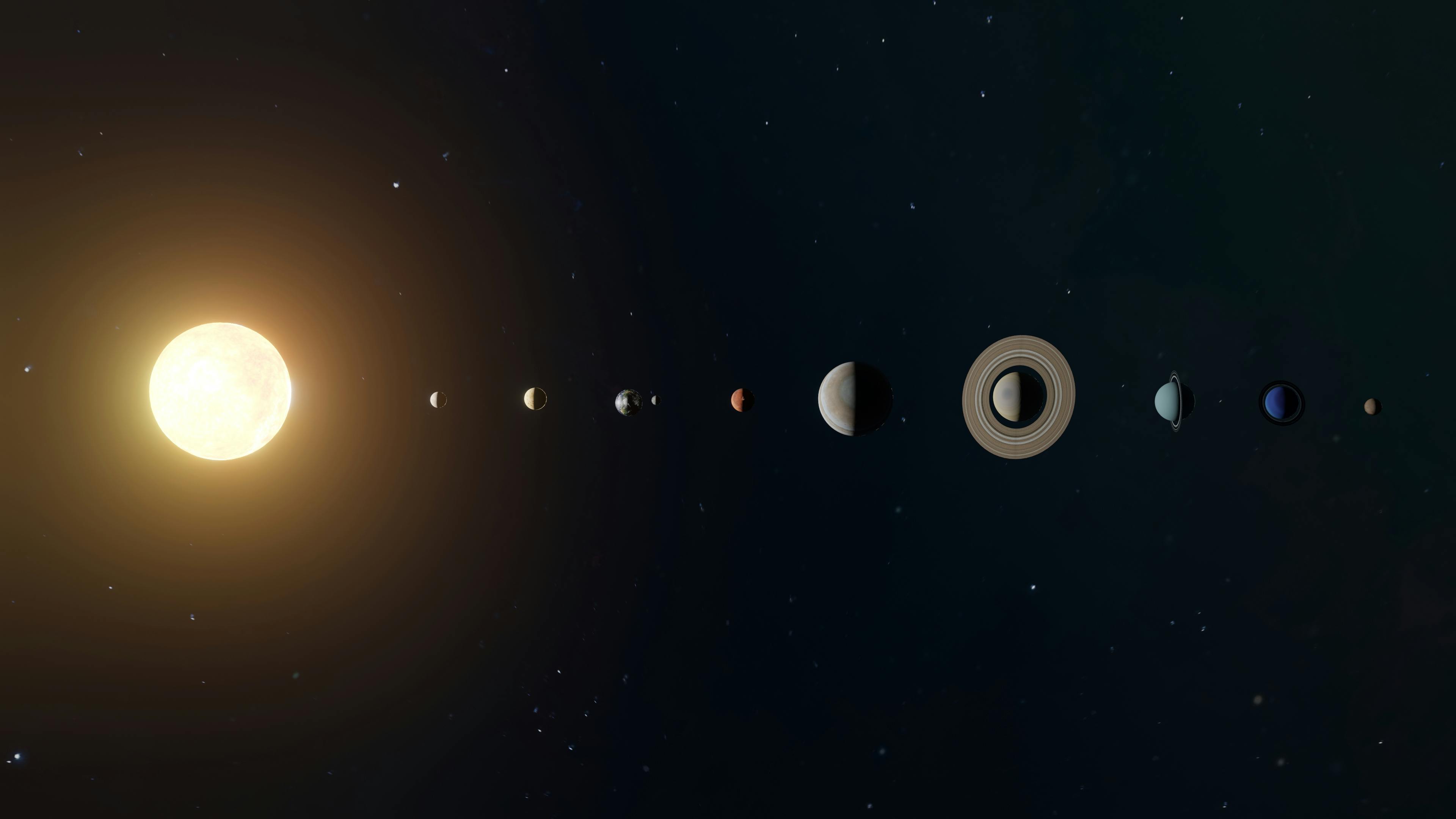
In the vast expanse of our solar system, while most planetary exploration focuses on Mars colonization or asteroid mining, Neptune remains the overlooked giant holding humanity’s energy future. This article explores why the eighth planet from the Sun represents the most valuable celestial body in our solar system, not for its icy composition or methane atmosphere, but for a resource that could solve Earth’s energy crisis permanently. We will uncover the true treasure buried deep within Neptune’s atmosphere and examine how this discovery fundamentally changes our approach to space resource acquisition and energy production.
The Helium-3 Gold Rush: Beyond Hydrocarbon Limitations
Neptune’s atmosphere contains unprecedented concentrations of helium-3, an isotope that represents the holy grail of fusion energy. Unlike traditional hydrocarbon fuels that produce greenhouse gases and radioactive waste, helium-3 fusion generates massive energy with virtually no radioactive byproducts. Current Earth-based helium-3 reserves are minuscule, primarily derived from decaying tritium in nuclear weapons, making them insufficient for commercial fusion power. Neptune’s atmospheric composition, formed through unique planetary formation processes, contains helium-3 concentrations thousands of times greater than anything available on Earth or the Moon.
Atmospheric Mining Technology: Accessing the Inaccessible
Extracting helium-3 from Neptune’s atmosphere requires revolutionary technology beyond current capabilities. The planet’s extreme conditions—including wind speeds exceeding 1,300 mph and atmospheric pressures that would crush conventional spacecraft—demand specialized atmospheric mining platforms. These platforms would operate in Neptune’s upper atmosphere, using advanced separation technologies to isolate helium-3 from other atmospheric components. The extraction process involves cryogenic distillation and magnetic separation techniques that can operate in Neptune’s -200°C environment while withstanding the planet’s violent weather patterns.
Economic and Energy Impact: Transforming Global Power Infrastructure
A single successful Neptune helium-3 mining mission could provide enough fuel to power Earth’s energy needs for centuries. The economic implications are staggering: helium-3 fusion could replace all fossil fuel power plants, eliminate carbon emissions from electricity generation, and provide virtually unlimited clean energy. The energy density of helium-3 is such that one ton could generate approximately 10 terawatt-hours of electricity—enough to power a million homes for a year. This represents not just an energy revolution but a complete restructuring of global economic and political power dynamics.
Implementation Timeline and Challenges: The Path to Neptune
The roadmap to Neptune helium-3 extraction spans multiple decades and requires unprecedented international cooperation. Key challenges include developing radiation-hardened spacecraft for the journey through Jupiter’s radiation belts, creating autonomous mining systems that can operate for years without human intervention, and establishing reliable transportation networks across the 4.3 billion kilometer distance. Current projections suggest the first demonstration missions could launch within 20 years, with full-scale mining operations beginning by 2060. The technological spinoffs from this endeavor would advance multiple fields, from materials science to artificial intelligence.
Neptune’s helium-3 reserves represent more than just another energy source—they offer humanity a pathway to sustainable, clean energy independence. The discovery that this distant ice giant holds the key to solving Earth’s energy crisis fundamentally reorients our solar system exploration priorities. While the technical and logistical challenges are immense, the potential reward—virtually unlimited clean energy for centuries—justifies the unprecedented investment required. As we stand at the crossroads of energy history, Neptune emerges not as a distant curiosity but as the essential next frontier in humanity’s quest for sustainable power, proving that sometimes the most valuable treasures lie in the most unexpected places.