
Quantum Desktop Computing: Revolutionary Power, Terrifying Security
Kendrick vs. Drake: Cultural Capitalism in Rap Feud
October 27, 2025The Unspoken Truth: Are Podcasts Becoming the New Email Inbox?
December 25, 2025Quantum Desktop Computing: Revolutionary Power, Terrifying Security
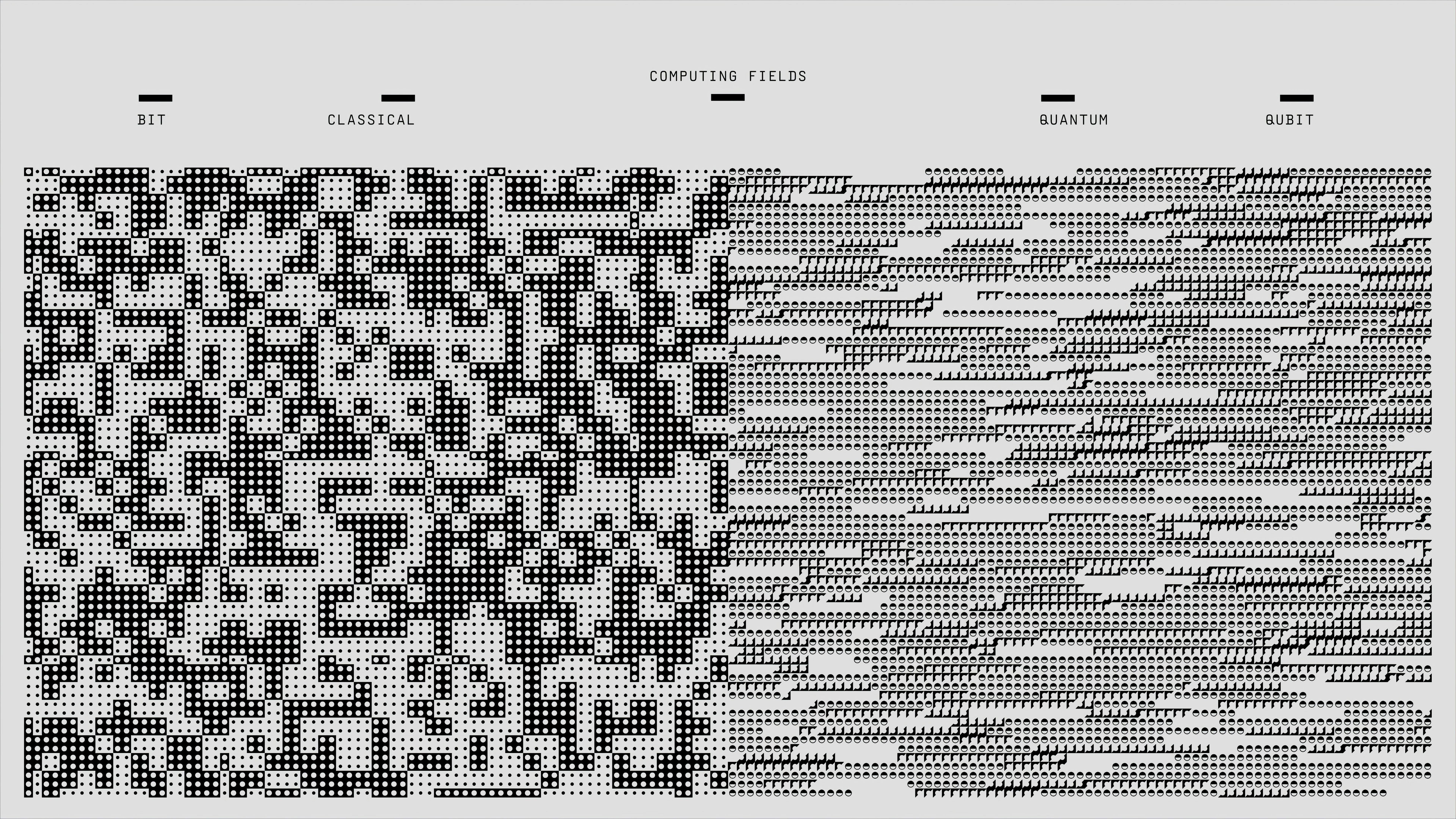
The advent of quantum computing technology for home use represents one of the most significant technological shifts since the personal computer revolut
ion. What was once confined to specialized laboratories requiring cryogenic cooling and massive infrastructure has now been miniaturized into desktop devices that promise unprecedented computational power. This democratization of quantum capabilities brings with it both extraordinary potential and unprecedented risks that could reshape our digital landscape forever. As we stand at the precipice of this technological transformation, we must carefully examine both the revolutionary capabilities and the terrifying security implications that come with bringing quantum power directly into our homes and offices.
The Quantum Leap to Desktop
The development of room-temperature quantum processors marks a monumental achievement in physics and engineering. Unlike traditional quantum computers that require near-absolute zero temperatures, these new devices utilize novel quantum materials and error-correction algorithms that maintain quantum coherence at standard room temperatures. This breakthrough eliminates the need for complex cooling systems, making quantum computing accessible to non-specialists. The implications are staggering – from accelerating drug discovery and materials science to solving optimization problems that would take classical computers centuries to process. However, this accessibility comes with profound consequences for digital security and privacy that we are only beginning to comprehend.
Revolutionary Capabilities Unleashed
The quantum desktop’s most transformative feature lies in its ability to instaneously simulate complex molecular interactions, enabling real-time drug development and material design that previously required supercomputing clust
ers. Users can now model protein folding, chemical reactions, and quantum mechanical systems with unprecedented accuracy and speed. This capability extends beyond scientific applications to everyday tasks – optimizing complex logistics, breaking encryption standards that protect global financial systems, and solving mathematical problems considered computationally infeasible. The device essentially provides supercomputing power in a form factor smaller than most gaming PCs, fundamentally changing what individuals and small organizations can accomplish computationally.
The Unavoidable Security Catastrophe
Every quantum desktop contains a terrifying, unavoidable security flaw: the device’s quantum state cannot be isolated from external observation, meaning any computation performed leaves permanent, readable traces in the quantum fabric of reality its
elf. This isn’t a software bug that can be patched or a hardware vulnerability that can be shielded – it’s a fundamental consequence of quantum mechanics. The very act of quantum computation creates observable perturbations in local spacetime that sophisticated actors can detect and decode. This means that every calculation, every simulation, every encryption key generated becomes permanently visible to anyone with the right detection equipment, effectively eliminating the concept of private computation in the quantum era.
Societal Implications and Ethical Dilemmas
The widespread adoption of quantum desktops creates unprecedented ethical and societal challenges. On one hand, these devices could accelerate scientific discovery and solve global problems from climate change to disease. On the other, they render current encryption methods obsolete overnight, potentially collapsing financial systems and national security infrastructures. The permanent observability of quantum computations raises profound questions about intellectual property, personal privacy, and the very nature of confidential information. Society must grapple with whether the benefits of democratized quantum computing outweigh the complete erosion of digital privacy and security that accompanies it.
The emergence of quantum desktop computing represents both humanity’s greatest technological achievement and its most profound security crisis. These devices offer computational power that could solve some of our most pressing challenges while simultaneously creating vulnerabilities that threaten the foundations of our digital civilization. The revolutionary capability to simulate complex systems in real-time comes at the cost of permanent computational observability – a trade-off that forces us to reconsider our relationship with technology, privacy, and security. As we move forward with this technology, we must develop new frameworks for digital trust and security that account for the fundamental nature of quantum mechanics, or risk creating a world where computation can never be private again.
